Personalized Disability Insurance Proposals
To start this journey, fill out the short form for a custom quote. Let us help you create a safety net that lets you focus on your patients, knowing that your financial future is in safe hands.

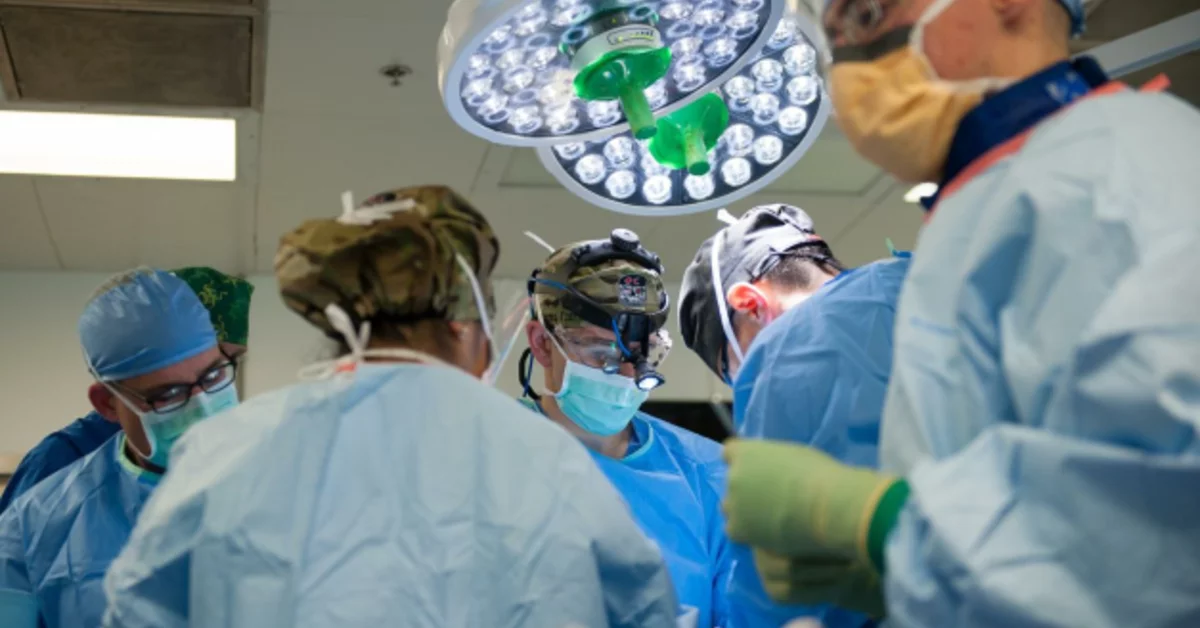

Plastic surgeons have unique skills that blend artistry with medical precision, making them highly specialized professionals. Disability insurance is essential for protecting your ability to earn a living if an illness or injury disrupts your career. Whether you’re performing complex reconstructive surgeries or cosmetic enhancements, your income depends on your hands, eyes, and surgical precision.
The monthly premium often costs 2-6% of the monthly coverage amount. Premiums for disability insurance vary based on factors like age, health, gender, and specialty. Plastic surgeons, given the physical demands and high earning potential, may face higher premiums. However, investing in a comprehensive policy early in your career can lock in lower rates and protect you against future health changes.
"Our internal financial literacy survey showed that few residents have personal disability insurance policies, despite high interest in purchasing coverage. Because residency is an optimal time to purchase disability insurance, we felt this knowledge gap was critical." - American College of Plastic Surgeons
Most surgeons' jobs come with access to their company's group disability insurance. Group disability policies are cheap but often have some holes in them. The main flaw is they're usually Any-Occupation or Two Year Own-Occupation policies. Any-Occupation means that if you become too disabled to work your surgery job but you can still work in any job, you don't count as disabled and won't get paid a dime. Two Year Own-Occupation is slightly better. If you're partially disabled with a Two Year Own-Occ policy, the insurance company will pay you for two years and then treat you as if it's an Any-Occupation disability policy. They'll expect you to do some type of work after those two years are up.
Since group disability policies are inherently part of a group or job, the policy doesn't stay with you if you change jobs.
Taxes are another reason to get an independent disability insurance policy to supplement your group policy. If your group plan pays you after you become disabled, that income counts as ordinary income and you have to pay income taxes on it. Since doctors usually have high incomes and therefore receive high disability payments, they could be stuck in a high tax bracket even after their life got more difficult from the disability. Independent disability insurance pays you tax-free disability payments.
I don't mean to make group disability insurance plans sound awful. And for a lot of people, group disability insurance will suit their needs just fine. However, doctors don't have normal needs. If your family is used to a high income lifestyle and you have large students loans and a mortgage, then supplementing with an individual disability policy can provide a lot more protection.
Own-occupation insurance pays benefits if you cannot perform your specific duties as a surgeon, unlike any-occupation insurance which requires inability to perform any job. This distinction is crucial for medical professionals with specialized skills.
Beware of "Modified Own-Occupation" and "Any-Occupation" disability policies. They're barely worth the paper they're written on. If your unsure about how your disability insurance policy defines disability, text me "Own Occupation" at 919-504-5220. Or give me a call! I'll check out your policy.
Own-occupation policies are vital for both cosmetic and reconstructive surgeons. If you can no longer perform your duties in surgery but can work in a non-clinical role, you will still receive benefits under an own-occupation policy. The high-stress and high-stakes nature of surgery make such coverage particularly important.
Typically, own-occupation disability insurance is not offered through your employer. While many employers do offer group disability policies, they are typically a “one size fits all” solution for the medical group and do not offer coverage based on the duties within your specialty. Group disability policies often have narrow definitions of disability so they don't have to pay out as many claims.
Another upside is that independently sourced own-occupation disability insurance offers consistent, tax-free coverage that will follow you throughout your career regardless of your current or future employer.
Disability insurance is a crucial component of financial planning for surgeons. It protects your future income and ensures financial stability if you become unable to work. By understanding the nuances of disability insurance, you can make informed decisions and secure your financial future. Consulting with an independent insurance agent can help tailor the best coverage for your specific needs.
To start this journey, fill out the short form for a custom quote. Let us help you create a safety net that lets you focus on your patients, knowing that your financial future is in safe hands.

